
From the Cape to Lagos: How South African Wines Are Finding a New Audience in Nigeria
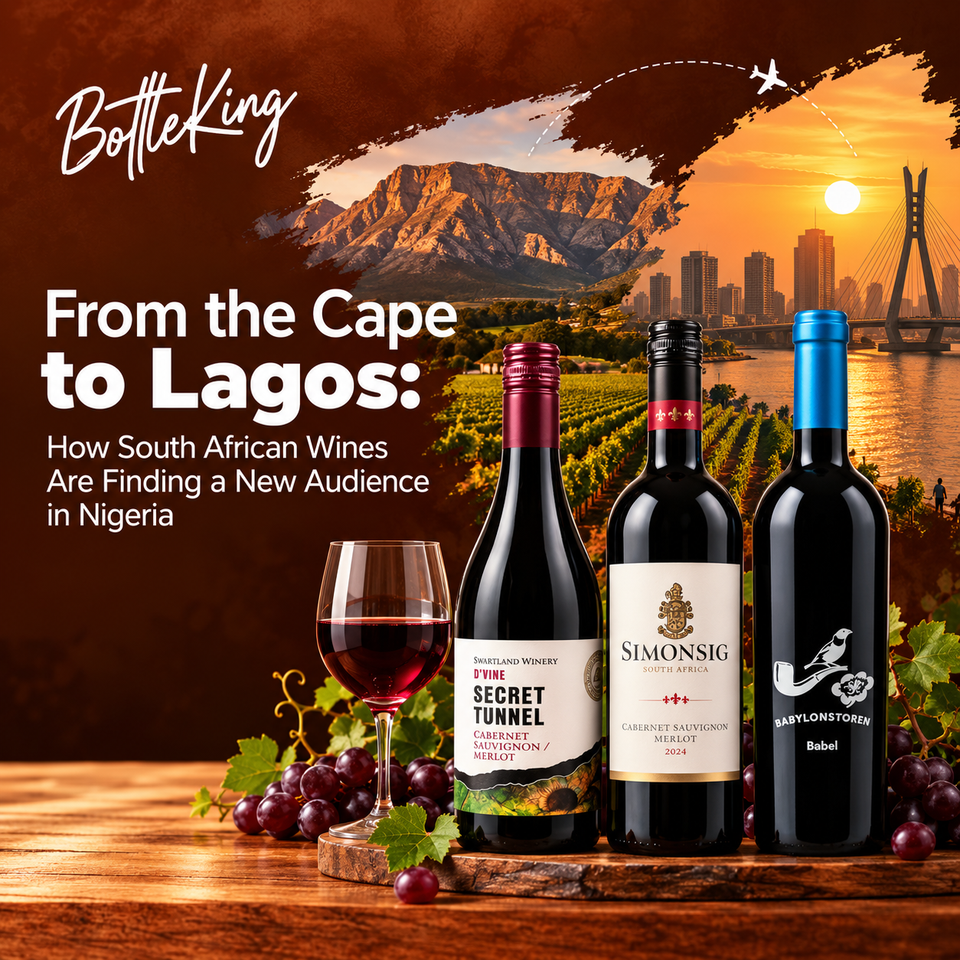
Something interesting is happening on wine shelves in Nigeria. For many consumers, choosing wine once meant reaching for the most recognisable international label, buying what friends were already drinking or simply selecting a bottle based on price. But the conversation is changing.
Today’s Nigerian wine consumer has access to more information, more international brands and, importantly, a much wider variety of South African wines. From Chenin Blanc and Sauvignon Blanc to Cabernet Sauvignon, Shiraz, Pinotage, Moscato and Cap Classique, there is an increasingly diverse world to explore. And South Africa has a particularly compelling story to tell.
Its wines combine centuries of winemaking heritage with a modern industry increasingly focused on regional identity, quality, innovation and distinctive expressions of place.
For Nigerian drinkers, that creates an exciting proposition: You don’t necessarily have to look halfway around the world to discover your next great bottle. Some of Africa’s most interesting wines are being made just a few countries south.
A Wine Relationship Worth Developing
Nigeria and South Africa already share some cultural and commercial connections. Music moves between Johannesburg and Lagos. Fashion, food, entertainment and popular culture increasingly cross borders. Wine presents another opportunity for that exchange. But selling South African wine in Nigeria can't be as simple as placing bottles on shelves.
Consumers need to understand what they are drinking, where it comes from and why it is worth discovering. That matters because wine buying is becoming increasingly connected to experience and storytelling.
Recent discussion within the South African wine industry has similarly emphasised that consumers, particularly younger ones, are looking beyond technical tasting notes towards authenticity, provenance, people and the stories behind what they drink.
For Nigerian retailers, importers and distributors, therefore, the opportunity isn’t merely to sell South African wine. It is to translate South African wine culture for a Nigerian audience.
From Stellenbosch to the Nigerian Dinner Table
One of the pleasures of exploring South African wine is the sheer variety available. A consumer can move from an easy-drinking Chenin Blanc to a serious Cabernet Sauvignon, from a refreshing Sauvignon Blanc to Pinotage, Shiraz, rosé, Moscato or sparkling wine.
That versatility matters in Nigeria because wine isn’t consumed in only one setting. It appears at weddings and birthday celebrations. It is served over dinner. It is gifted. It sits on tables at restaurants and lounges. It accompanies Sunday meals and December festivities. And increasingly, it is something consumers want to understand rather than simply consume.
South Africa’s diversity allows retailers to introduce wines according to the moment, rather than overwhelming shoppers with wine terminology.
Someone hosting friends may want something completely different from the person buying a corporate gift. A first-time wine drinker has different needs from an enthusiast looking for a bottle they haven’t tried before.Making those distinctions clear can turn wine shopping from an intimidating exercise into discovery.
The South African Bottles Getting Nigerians Curious
At BottleKing, our growing South African wine selection has given us a front-row view of that discovery. Producers and labels such as Babylonstoren, Simonsig, Delheim, Swartland Winery, Alvi’s Drift and others represent different entry points into South African wine. And that diversity is important.
The goal shouldn’t be to convince Nigerian consumers that there is one definitive style of “South African wine.” Quite the opposite. The exciting part is showing just how broad that description can be.
Babylonstoren: Wine With a Sense of Place
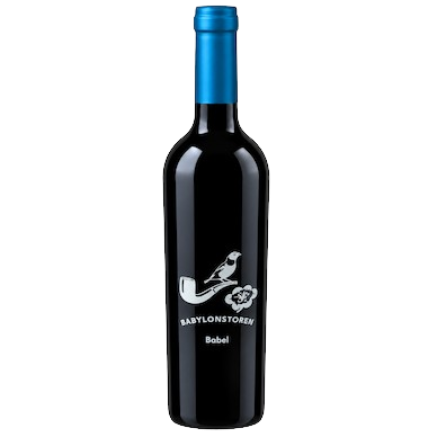
For consumers beginning to explore premium South African wine, estates with a strong identity provide a natural starting point.
Babylonstoren is a good example because the attraction extends beyond what is inside the bottle. Wine becomes part of a broader story of place, agriculture and the Cape Winelands. For a Nigerian consumer discovering the producer for the first time, that story can turn an unfamiliar label into something worth exploring.
Explore Babylonstoren on Bottleking
Simonsig: A Gateway to South African Sparkling Wine
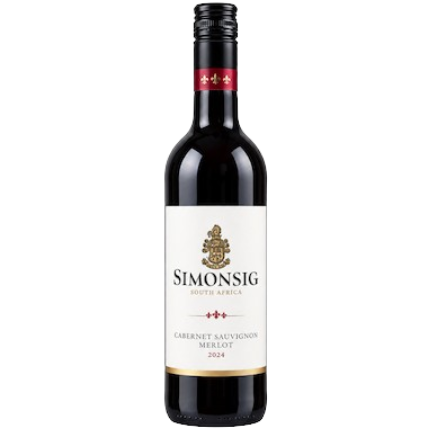
Sparkling wine is deeply connected to celebration in Nigeria. Birthdays, weddings, engagements, promotions, graduations and countless other occasions usually create a reason to put something sparkling on ice.
That makes South Africa’s sparkling-wine tradition particularly relevant. Simonsig provides Nigerian consumers with an opportunity to explore this side of the country’s wine culture, including the world of Cap Classique, rather than viewing sparkling wine exclusively through the lens of Champagne.
Explore Simonsig on Bottleking
Swartland: Another Side of South African Wine
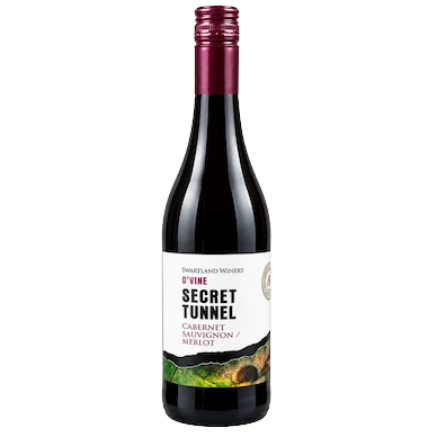
The diversity of South African wine becomes even clearer when consumers begin exploring different regions. Swartland has become an important part of contemporary conversations around South African wine, giving curious drinkers another reason to look beyond familiar regions and varieties.
For Nigeria, this regional diversity creates the possibility of taking consumers on a journey rather than selling them isolated bottles.
Explore Swartland on Bottleking
Digital Retail Is Changing How Nigerians Discover Wine
There is another important change happening simultaneously. Wine discovery is moving online. Traditionally, a Nigerian consumer’s selection might have been determined largely by whatever happened to be available at a nearby supermarket or drinks shop.
Digital retail removes some of that limitation. On BottleKing, shoppers can browse different producers, compare wine styles and discover bottles they might never encounter in their neighbourhood store.
That matters particularly for South African wine.
The more Nigerian consumers discover South African wine, the more opportunity there is for producers on both sides of the distribution chain.
Member discussion